How much public review is enough?
A proposal before the Seattle City Council is raising a question that extends well beyond Seattle — and it's one Kirkland residents may want to follow closely.
Seattle Councilmember Eddie Lin has proposed eliminating administrative appeals of the City's Environmental Impact Statements during its Comprehensive Plan update. He argues the appeals have delayed the City's growth plan by months, keeping the Council from taking final action.
Supporters believe the change would let government move more efficiently. Opponents argue that environmental review exists for a reason — and that residents should keep the ability to challenge analyses they believe are incomplete before major land-use decisions are locked in.
What is an Environmental Impact Statement?
An EIS is much more than a report about trees. It evaluates the potential impacts of a proposed policy change across issues like:
- Transportation and traffic - Utilities, infrastructure, and stormwater - Parks and public services - Tree canopy, fish, and wildlife - Noise, air quality, and greenhouse gas emissions - Alternatives to the proposal
The appeal process lets an independent hearing examiner review whether the City's analysis adequately considered those impacts before elected officials act. According to the article, most appeals over the past decade were ultimately dismissed — but three led the City to correct problems with its analysis. On average, appeals delayed projects by about 151 days, roughly five months.
Why this matters in Kirkland
Kirkland residents spent years on the 2044 Comprehensive Plan. Along the way, questions were raised about neighborhood engagement, environmental review, and how public feedback actually shaped the final plan.
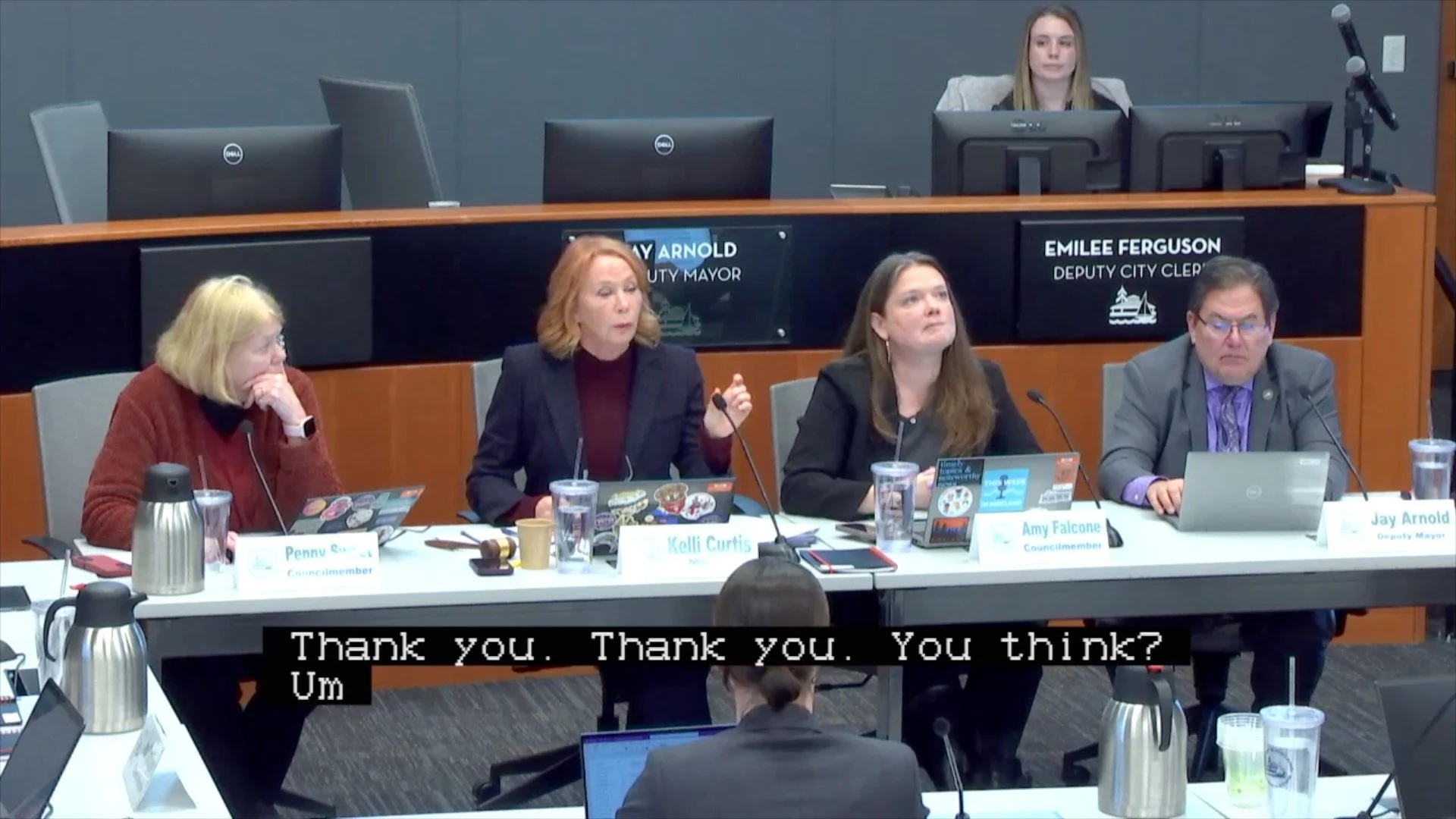
One resident's testimony captured the frustration: while neighboring cities studied several growth alternatives, Kirkland was handed just one option above no change, with little time to react.
The plan was adopted before the 2025 election. A councilmember who voted against it and was up for reelection faced public criticism from colleagues. A planning commissioner who said neighborhoods hadn't been adequately heard later resigned. Afterward, Councilmember Neal Black suggested a post-mortem review to identify what worked and what didn't. To date, that broader review has not taken place.
Whether the subject is Seattle or Kirkland, the underlying question is the same: how should government balance efficient decisions with meaningful public participation?
Public process can be slow. It can be frustrating. But it also gives residents the chance to catch errors, question assumptions, and shape decisions before they're final. Regardless of your position on growth or density, this is about how major decisions get made — and who gets a voice before they're finalized.
If this matters to you, tell the Kirkland City Council. It takes about three minutes.
Originally posted on the Cherish Kirkland Facebook page.
